Leading Technologies in Storage Tank Manufacturing: Improving Efficiency and Sustainability
The landscape of storage tank manufacturing is undergoing substantial transformation as industry leaders increasingly adopt developments focused on improving both performance and sustainability. Trick advancements, including making use of clever technologies and innovative products, are redefining functional criteria while dealing with environmental concerns. Additionally, modular tank styles and environmentally friendly manufacturing procedures present new avenues for source optimization. As these fads proceed to progress, the ramifications for sector practices and long-lasting sustainability goals benefit further exploration. What particular technologies are establishing the phase for this paradigm change?
Advanced Materials for Resilience
The evolution of storage tank manufacturing is increasingly driven by the combination of innovative products made to boost resilience and efficiency. Commonly, storage tanks were constructed largely from carbon steel, which, while reliable, is at risk to rust and structural destruction in time. Recent advancements have seen the introduction of high-performance alloys, composite products, and polymers that provide superior resistance to ecological factors and chemical direct exposure.
Stainless steel and duplex alloys are now typical in applications calling for increased rust resistance, specifically in chemical or aquatic storage space environments. Furthermore, composite products, such as fiberglass-reinforced plastics, offer an excellent strength-to-weight ratio while reducing upkeep prices as a result of their non-corrosive nature. These advancements not just prolong the life-span of tank yet additionally enhance their functional efficiency.
In addition, the fostering of nanotechnology in layers is proving helpful in additional enhancing the protective properties of container surfaces. These developments not just lower the frequency of repair services and assessments but likewise add to sustainability by minimizing source intake and waste. As the market remains to introduce, the concentrate on sophisticated materials will certainly continue to be a foundation of storage tank manufacturing, guaranteeing safety and security and reliability sought after applications.
Smart Keeping Track Of Technologies
Developments in wise surveillance technologies are changing the administration and maintenance of storage tanks. These improvements utilize the Net of Things (IoT), synthetic intelligence (AI), and advanced sensing unit technologies to enhance functional effectiveness and safety and security. By integrating real-time information collection, operators can keep an eye on tank conditions, such as temperature, pressure, and liquid levels, with unprecedented accuracy.
Smart surveillance systems enable anticipating maintenance, enabling prompt interventions before prospective failures take place. This reduces downtime and decreases upkeep costs, as operators can deal with issues based upon data-driven understandings instead of responsive steps. In addition, these technologies boost safety methods by offering alerts for leaks, overfills, or architectural weaknesses, substantially reducing environmental threats.
Furthermore, cloud-based systems promote centralized monitoring across numerous locations, making it possible for drivers to make informed choices promptly. Enhanced information analytics also add to maximizing inventory management, making certain that resources are used successfully.
As regulatory needs for environmental conformity ended up being significantly stringent, wise surveillance modern technologies play a vital function in making certain storage tanks satisfy these requirements. On the whole, the fostering of these developments not just improves operational effectiveness however additionally promotes sustainability in storage tank manufacturing and management.
Modular Tank Styles
Modular container layouts are revolutionizing the storage tank sector by offering improved personalization alternatives that accommodate specific customer demands. These designs not just assist in customized services yet additionally provide space-saving configurations, making them excellent for varied environments. As markets seek effectiveness and adaptability, modular containers offer a compelling alternative to conventional storage options.
Enhanced Modification Options

As suppliers strive to meet diverse client needs, improved personalization alternatives in storage tank design have ended up being increasingly widespread. Modular storage tank styles exemplify this fad, enabling for tailored arrangements that fit different operational demands. By making use of modular parts, producers can produce containers of different dimensions, shapes, and capabilities, ensuring compatibility with particular applications.
These customizable storage tanks can be adjusted to hold different kinds of fluids, including dangerous materials, without endangering security or efficiency. In addition, modular layouts facilitate scalability, enabling companies to broaden their storage capability flawlessly as need expands. This flexibility not only maximizes area utilization however also reduces the overall lifecycle prices connected with tank installation and maintenance.
Additionally, enhanced modification choices include innovative features such as incorporated surveillance systems, insulation, and specialized layers that enhance sturdiness and performance. By supplying a range of options, producers empower clients to select designs that align with their operational objectives and sustainability campaigns.
Eventually, the surge of boosted personalization alternatives in storage tank manufacturing underscores a dedication to development, enabling sectors to respond successfully to evolving market needs while boosting total efficiency and ecological stewardship.
Space-Saving Configurations
Making best use of room performance has actually come to be an important factor to consider in storage tank layout, specifically with the introduction of modular tank setups. These ingenious designs permit the setting up of containers in different plans, supplying flexibility and flexibility in space-constrained environments. Modular containers can be easily carried and mounted, making them optimal for industries requiring on-site storage space services.
Making use of modular layouts not only maximizes area but likewise boosts scalability. Organizations can start with a smaller sized device and increase their storage capability by adding additional components as demand rises. This step-by-step technique reduces ahead of time costs and enables for better source administration. Modular containers can be customized relating to configuration, dimension, and material, providing to particular functional needs.
Sustainability is also a vital benefit of modular storage tank configurations. By utilizing standard parts, makers can lower waste throughout manufacturing and enhance the supply chain. In addition, these storage tanks typically include boosted insulation and energy-efficient designs, resulting in lower functional prices.
Eco-Friendly Manufacturing Processes
As the need for eco liable manufacturing grows, the storage tank market is welcoming environmentally friendly procedures to enhance sustainability. This includes the option of lasting products, the application of energy-efficient manufacturing methods, and the fostering of waste decrease techniques. By focusing on these techniques, producers can noticeably reduce their ecological effect while keeping product quality and performance.
Lasting Product Choice
Sustainable product selection is a cornerstone of environment-friendly manufacturing procedures in the storage tank market. The option of materials greatly affects not only the ecological impact of manufacturing however also the longevity and efficiency of the storage tanks themselves. Texas Oil & Gas Storage Tank Fabrication Authority. Making use of recycled or sustainably sourced materials, such as high-strength alloys and advanced compounds, lowers the need for virgin resources and minimizes waste
In addition, the assimilation of materials with reduced embodied energy adds to a decrease in greenhouse gas discharges throughout the manufacturing lifecycle. Safe finishes and bio-based polymers are gaining grip, providing both sturdiness and ecological advantages. These materials not only satisfy the rigid needs for safety and security and performance but also enhance the tanks' resistance to corrosion, extending their solution life and decreasing maintenance prices.
Moreover, suppliers are increasingly embracing life cycle analysis (LCA) approaches to review the ecological influence of product options. By focusing on products that are recyclable or naturally degradable, the storage tank industry is taking significant strides towards a round economy. This dedication to sustainable material selection not just straightens with regulative criteria yet also meets the growing demand from environmentally conscious customers and services alike.
Energy-Efficient Production Methods
In the mission for decreasing ecological influence, energy-efficient manufacturing methods have actually arised as necessary components in the storage tank producing field. These methods not only lessen power usage but likewise enhance operational performance and reduced total manufacturing costs.
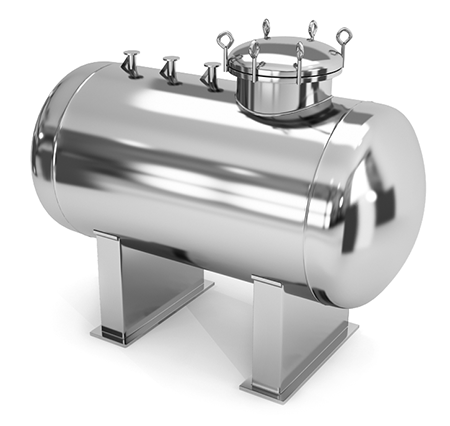
Furthermore, implementing energy monitoring systems helps optimize and monitor energy use throughout the manufacturing cycle, identifying locations for improvement and making sure conformity with environmental criteria. These systems can result in considerable reductions in power consumption, contributing to an extra sustainable manufacturing process.
Waste Reduction Methods
The implementation of energy-efficient manufacturing strategies normally brings about a heightened focus on waste decrease methods in storage tank manufacturing. Firms are increasingly taking on methods that lessen product waste while maximizing source use. Trick strategies include lean manufacturing principles, which simplify processes to eliminate ineffectiveness and decrease excess supply.
Recycling and reusing products is an additional crucial method. Many manufacturers are now purchasing modern technologies that facilitate the recovery of scrap steel and various other spin-offs during production. This not just conserves resources however likewise lowers disposal costs and environmental effect.
Additionally, manufacturers are accepting electronic modern technologies such as IoT and data analytics to handle and monitor waste better. These tools can identify waste generation factors and supply understandings for continuous enhancement. In addition, carrying out closed-loop systems enables companies to utilize waste products as inputs for new procedures, cultivating a round economic situation.
The quest of qualifications such as ISO 14001 highlights the dedication to sustainability and waste reduction, placing business favorably in a competitive market. By systematically resolving waste, storage tank suppliers can attain both financial and environmental advantages, driving ahead an extra lasting sector.
Energy-Efficient Insulation Solutions
As producers seek to boost the effectiveness of storage space containers, they are turning to ingenious energy-efficient insulation solutions that considerably decrease thermal losses. One popular pattern is using advanced materials such as aerogels and vacuum-insulated panels, which offer extraordinary thermal resistance while being light-weight. These products not only reduce heat transfer yet additionally add to a minimized general footprint and lower installation expenses.
On top of that, essential insulation systems, which incorporate insulation with tank construction, simplify the manufacturing process and remove the requirement for exterior cladding. This development not just enhances thermal efficiency yet also boosts architectural integrity. Moreover, reflective insulation innovations are getting traction, as they can successfully reduce warm absorption from external resources, therefore preserving ideal inner temperature levels.
Implementing these energy-efficient insulation remedies not only leads to considerable power savings but additionally aligns with sustainability objectives by minimizing greenhouse gas exhausts linked with heating and cooling down procedures. As the industry evolves, the concentrate on insulation innovation will remain critical in ensuring that tank meet modern effectiveness criteria while adding favorably to environmental sustainability.
Automation in Tank Production
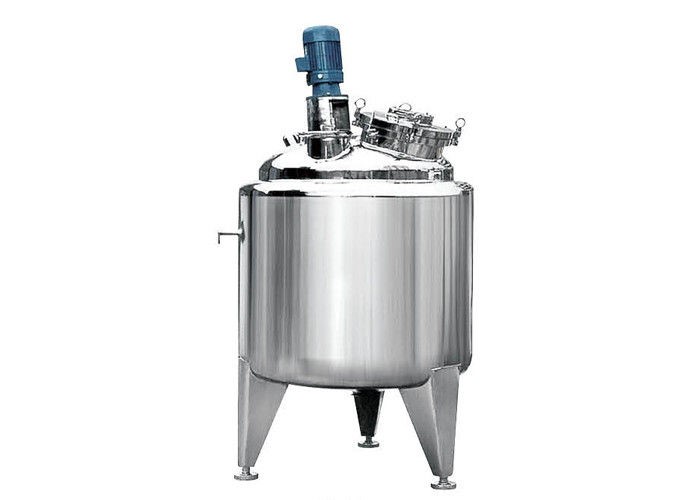
Advancements in automation innovation are reinventing storage tank production, greatly improving efficiency and accuracy. Automated systems now play an essential function in different phases of manufacturing, from material dealing with to welding and assembly. These innovations decrease human treatment, thereby decreasing the possibility of errors and increasing throughput.
Robot systems are significantly made use of for tasks such as welding and surface area treatment, guaranteeing regular high quality and reducing production time. Automated quality control systems employ advanced sensing units and device learning algorithms to find defects in actual time, enabling suppliers to attend to issues immediately and preserve high standards.
The assimilation of Net of Things (IoT) innovation in tank production facilitates real-time tracking of equipment and procedures. This connectivity causes boosted functional insights, enabling suppliers to maximize operations and maintenance routines. Predictive analytics can anticipate tools failures, better boosting dependability and reducing downtime.
Improved Safety Attributes
Integrating enhanced safety and security attributes into storage tank manufacturing has come to be a crucial emphasis for sector leaders. As the need for safe and trusted storage remedies expands, producers are embracing ingenious innovations and design concepts to alleviate dangers connected with dangerous materials.
One remarkable improvement is the unification of advanced leak discovery systems. These systems use sensing units that keep an eye on tank honesty, making it possible for early identification of leakages and protecting against ecological contamination (Storage Tank Manufacturing). Additionally, making use of double-walled containers includes an added layer of security, making certain that if the internal wall fails, the outer wall contains any kind of potential spills
Moreover, makers are carrying out pressure safety valve and overfill avoidance systems to resolve potential overpressurization and overflow circumstances. These systems are created to turn on immediately, greatly lowering the danger of disastrous failures.
Additionally, the assimilation of clever surveillance technologies permits for real-time data collection and analysis - Storage Tank Manufacturing. This capacity makes it possible for positive upkeep and quick response to any kind of safety and security concerns, ensuring conformity with industry regulations
Often Asked Inquiries
How Do Storage Tank Innovations Impact Overall Operational Costs?
Advancements in storage tank manufacturing read review considerably lower operational expenses by improving effectiveness, lessening upkeep requirements, and maximizing source usage. These innovations result in lower energy consumption and prolonged tools lifespan, ultimately boosting total monetary efficiency for organizations.
What Industries Benefit Many From Advanced Storage Tank Technologies?
Industries such as oil and gas, chemicals, water treatment, and food processing substantially profit from sophisticated storage tank innovations. These advancements enhance safety and security, optimize source monitoring, and boost functional effectiveness, ultimately minimizing expenses and ecological influence.
Are There Details Accreditations for Eco-Friendly Tank?
Yes, details accreditations for environment-friendly tank exist, such as the Environment-friendly Building Council's LEED qualification, ISO 14001 for environmental management, and different industry-specific criteria that guarantee compliance with sustainability and safety guidelines.
What Is the Life Expectancy of Modern Storage Storage Tanks Contrasted to Traditional Ones?
Modern tank commonly possess a life-span of 30 to 50 years, markedly exceeding typical storage tanks, which commonly last 15 to 30 years. Advanced materials and making strategies contribute to this enhanced sturdiness and longevity.
Just how Do These Advancements Affect Regulatory Compliance in Tank Manufacturing?
Advancements in tank manufacturing improve regulatory conformity by incorporating sophisticated products, automated monitoring systems, and enhanced layout requirements. These advancements ensure adherence to safety guidelines, reduce environmental effect, and promote sustainability within the market.
The evolution of storage container manufacturing is significantly driven by the assimilation of sophisticated products made to improve toughness and efficiency. Modular storage tank designs are reinventing the storage tank industry by offering improved modification choices that provide to particular client requirements. Making best use of area efficiency has actually come to be an important factor to consider in storage space container layout, particularly with the development of modular container configurations. Advancements in storage space container manufacturing significantly minimize operational costs by boosting performance, lessening upkeep needs, and optimizing source use - Texas Oil & Gas Storage Tank Fabrication Authority. Modern storage space tanks generally possess a life expectancy of 30 to 50 years, noticeably outmatching standard storage tanks, which often last 15 to 30 years